

5 Senseous Horse, ఐదు జ్ఞానేంద్రియాలే గుఱ్ఱాలు
ఐదు జ్ఞానేంద్రియాలే గుఱ్ఱాలు
కఠోపనిషత్ చెప్పిన మనస్సు, ఇంద్రియాలు, ఆత్మ రహస్యం
పరిచయం
భారతీయ ఆధ్యాత్మిక తత్వశాస్త్రం మానవ జీవనాన్ని అర్థం చేసుకునేందుకు అద్భుతమైన ఉపమానాలను అందిస్తుంది. వాటిలో అత్యంత ప్రసిద్ధమైనది కఠోపనిషత్లోని రథ ఉపమానం.
ఈ ఉపమానంలో మనిషి శరీరం రథం, ఆత్మ రథస్వామి, బుద్ధి సారథి, మనస్సు పగ్గం, ఐదు జ్ఞానేంద్రియాలు గుఱ్ఱాలుగా చెప్పబడతాయి.
ఈ ఉపమానం మన జీవితం ఎందుకు దారితప్పుతుందో, ఎలా నియంత్రణలో ఉంచుకోవాలో, చివరికి పరమాత్మ తత్త్వాన్ని ఎలా పొందాలో స్పష్టంగా వివరిస్తుంది.
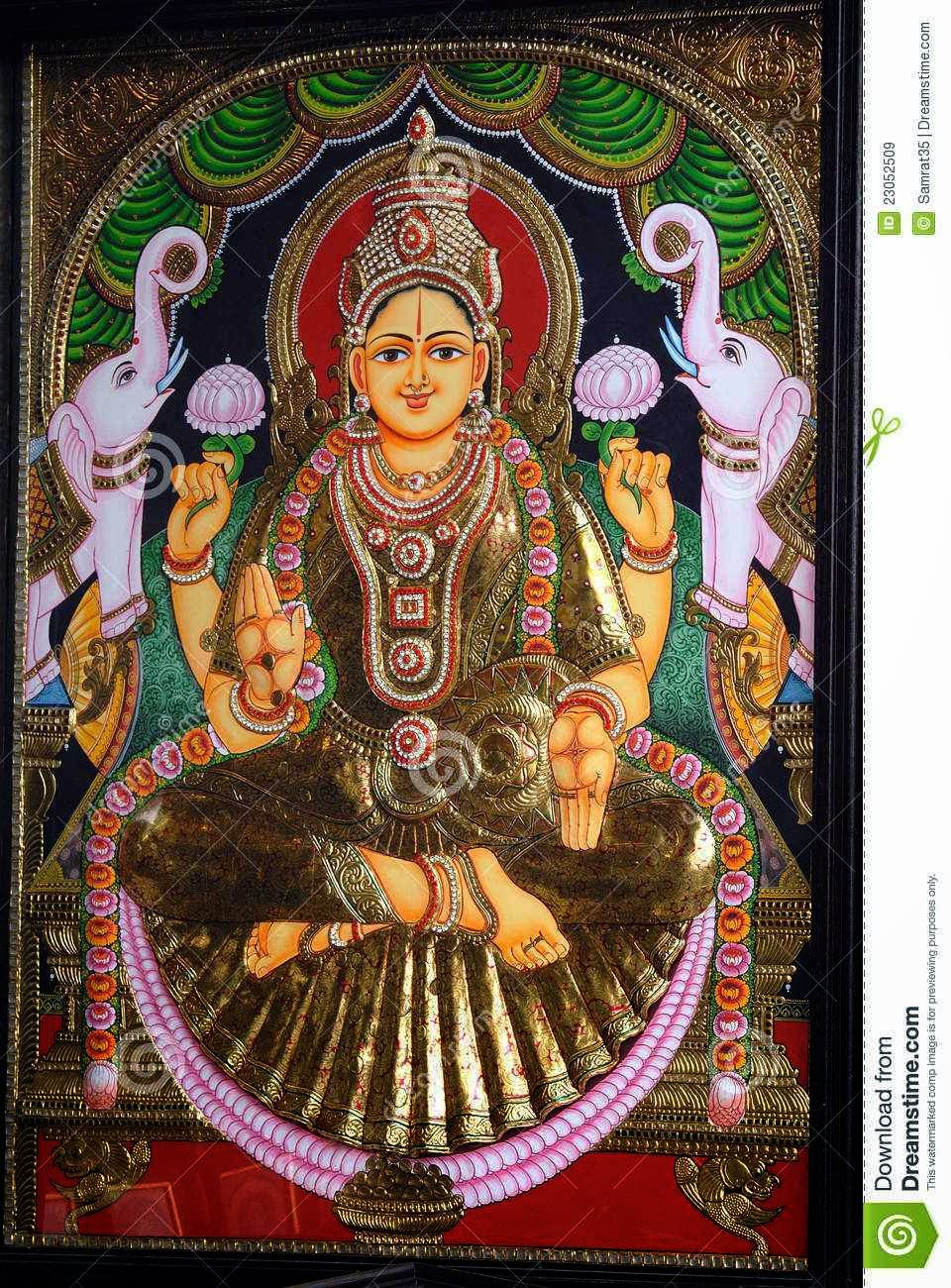
5 senseous horse
కఠోపనిషత్ శ్లోకం – రథ ఉపమానం
ఆత్మానాం రథినం విద్ధి
శరీరం రథమేవ తు |
బుద్ధింతు సారథి విద్ధి
మనః ప్రగ్రహమేవ చ ||
శ్లోకార్థం
- ఆత్మ (జీవుడు) – రథస్వామి
- శరీరం – రథం
- బుద్ధి – సారథి
- మనస్సు – పగ్గం (ప్రగ్రహం)
- ఐదు జ్ఞానేంద్రియాలు – గుఱ్ఱాలు
- విషయాలు – గుఱ్ఱాలు పరుగెత్తే మార్గాలు
ఈ ఉపమానం ద్వారా ఉపనిషత్తులు మనిషి జీవిత ప్రయాణాన్ని అద్భుతంగా వివరిస్తాయి.
ఐదు జ్ఞానేంద్రియాలే గుఱ్ఱాలు ఎందుకు?
మనిషికి ఉన్న ఐదు జ్ఞానేంద్రియాలు:
- కన్ను – చూపు
- చెవి – వినికిడి
- ముక్కు – వాసన
- నాలుక – రుచి
- చర్మం – స్పర్శ
ఈ ఇంద్రియాలు ఎల్లప్పుడూ విషయాసక్తి వైపు మనిషిని లాగుతుంటాయి.
అందుకే వీటిని అడ్డుకట్ట లేకపోతే అదుపు తప్పే గుఱ్ఱాలతో పోల్చారు.
జ్ఞానేంద్రియాల స్వభావం
- అవి శక్తివంతమైనవి
- సుఖం వైపు పరుగెత్తుతాయి
- నియంత్రణ లేకుంటే మనిషిని బానిసగా మారుస్తాయి
- కోరిక → ఆశ → కోపం → దుఃఖం అనే చక్రంలో పడేస్తాయి
మనస్సు – పగ్గం పాత్ర
మనస్సునే గుఱ్ఱాలను అదుపులో ఉంచే పగ్గం.
- మనస్సు స్థిరంగా ఉంటే – ఇంద్రియాలు నియంత్రణలో ఉంటాయి
- మనస్సు చంచలంగా ఉంటే – జీవితం అస్తవ్యస్తమవుతుంది
పగ్గం సడలితే గుఱ్ఱాలు రథాన్ని ప్రమాదంలో పడేస్తాయి. అలాగే మనస్సు నియంత్రణ లేకపోతే మనిషి జీవితం దారి తప్పుతుంది.
బుద్ధి – సారథి యొక్క ప్రాముఖ్యత
బుద్ధి అనేది మంచి–చెడును వేరు చేసే శక్తి.
విజ్ఞానవంతమైన సారథి లక్షణాలు
- నిత్య–అనిత్య వివేకం
- ఆలోచించి నిర్ణయం తీసుకునే శక్తి
- మనస్సును నియంత్రించే సామర్థ్యం
- ఆత్మ లక్ష్యాన్ని గుర్తు చేసే జ్ఞానం
బుద్ధి బలహీనంగా ఉంటే—even మంచి శరీరం, బలమైన ఇంద్రియాలు ఉన్నా—జీవితం లక్ష్యానికి చేరదు.
జీవితం యొక్క గమ్యం – పరమపదం
కఠోపనిషత్ మరొక మంత్రంలో ఇలా చెబుతుంది:
విజ్ఞానసారథి గల రథస్వామి
పరమపదాన్ని పొందుతాడు
అంటే,
- నియంత్రిత ఇంద్రియాలు
- స్థిరమైన మనస్సు
- విజ్ఞానవంతమైన బుద్ధి
👉 కలిసివుంటే పరమాత్మ తత్త్వ సాక్షాత్కారం కలుగుతుంది.
ఆధునిక జీవితంలో ఈ ఉపమానం ప్రాముఖ్యత
నేటి కాలంలో ఇంద్రియాసక్తులు మరింత పెరిగాయి:
- సోషల్ మీడియా వ్యసనం (చూపు, వినికిడి)
- ఆహారాసక్తి (రుచి)
- సుఖవిలాసాల పిచ్చి (స్పర్శ)
ఇవన్నీ ఇంద్రియ గుఱ్ఱాలు మనిషిని లాగుతున్న ఆధునిక మార్గాలు.
ఐదు జ్ఞానేంద్రియాలను ఎలా అదుపులో పెట్టాలి?
ఉపనిషత్తులు సూచించిన మార్గాలు
- ఇంద్రియ నియమనం
- ధ్యానం, జపం
- వివేకం (బుద్ధి వికాసం)
- వైరాగ్యం
- ఆత్మజ్ఞానం
ఇవి మనస్సును బలపరచి, బుద్ధిని విజ్ఞానవంతం చేస్తాయి.
ఉపనిషత్తుల సందేశం
నీవు శరీరం కాదు
నీవు ఇంద్రియాలు కాదు
నీవు రథస్వామివి
నీ జీవితాన్ని నీవే నడిపించాలి.
ఇంద్రియాలు కాదు.
ముగింపు
“ఐదు జ్ఞానేంద్రియాలే గుఱ్ఱాలు” అనే కఠోపనిషత్ ఉపమానం మనిషికి ఇచ్చిన అద్భుతమైన జీవన మార్గదర్శకం.
ఇంద్రియాలను అదుపులో పెట్టి
మనస్సును నియంత్రించి
బుద్ధిని వికసింపజేస్తే
👉 జీవితం పరమార్థాన్ని చేరుతుంది.
Karthika Puranam Part 12 కార్తీకపురాణం -12 వ అధ్యాయము *ద్వాదశి ప్రశంస* *సాలగ్రామ దానమహిమ*
Five Sensuous Horses: The Profound Wisdom of Kathopanishad on Mind, Senses, and Self-Control
Introduction: The Timeless Wisdom of Indian Philosophy
Ancient Indian scriptures contain deep psychological and spiritual insights that remain relevant even in modern life. One such powerful teaching comes from the Kathopanishad, where human life is beautifully explained through the metaphor of a chariot (Ratha).
In this analogy, the five senses are compared to horses, pulling a chariot toward worldly pleasures. This concept is often referred to as the “Five Sensuous Horses”.
This metaphor explains how human beings are driven by sensory desires, how lack of control leads to suffering, and how disciplined intellect can guide one toward self-realization and liberation (Moksha).
The Kathopanishad Chariot Metaphor Explained
The famous verse from the Kathopanishad states:
आत्मानं रथिनं विद्धि
शरीरं रथमेव तु |
बुद्धिं तु सारथिं विद्धि
मनः प्रग्रहम् एव च ||
Meaning of the Verse
- Ātman (Soul) – The master of the chariot (Rathī)
- Body – The chariot (Ratha)
- Intellect (Buddhi) – The charioteer (Sārathi)
- Mind (Manas) – The reins (Pragraha)
- Five Senses (Indriyas) – The horses
- Sense objects – The roads they travel
This metaphor clearly shows that human life is a journey, and success or failure depends on who is in control.
Five Senses as Horses: Why Are They Called Sensuous Horses?
The five senses are:
- Eyes (Sight)
- Ears (Hearing)
- Nose (Smell)
- Tongue (Taste)
- Skin (Touch)
These senses constantly pull the mind toward pleasurable objects—just like wild horses rushing toward whatever attracts them.
Nature of the Five Sensuous Horses
- They are powerful
- They are easily distracted
- They naturally run toward sense gratification
- If uncontrolled, they lead to attachment, desire, anger, and suffering
This is why the Upanishads warn that a person ruled by senses becomes a slave, not a master.
Role of the Mind: The Reins of the Chariot
The mind (Manas) is compared to the reins that control the horses.
- A strong, disciplined mind keeps the senses under control
- A weak or restless mind allows senses to dominate life
When the reins are loose, even the best horses can cause disaster. Similarly, uncontrolled senses lead to confusion, stress, addiction, and moral downfall.
Intellect as the Charioteer: The Power of Discrimination
The intellect (Buddhi) is the most crucial element.
Characteristics of an Enlightened Charioteer (Buddhi)
- Uses discrimination (Viveka)
- Understands what is temporary vs eternal
- Guides the mind with wisdom and clarity
- Keeps the senses aligned with higher goals
Without a wise charioteer, the chariot will never reach its destination—even if the horses are strong and the chariot is perfect.
Destination of Life: Paramapadam (Supreme Truth)
The Kathopanishad further explains that:
- A person with controlled senses
- Guided by a disciplined mind
- And directed by a wise intellect
👉 Reaches Paramapadam, the ultimate state of liberation and realization of Paramatma (Supreme Self).
On the other hand, one who allows the senses to rule will remain trapped in the cycle of desire and suffering (Samsara).
Relevance of Five Sensuous Horses in Modern Life
Even today, this teaching is extremely relevant:
Modern “Sense Traps”
- Social media addiction (sight & sound)
- Overindulgence in food (taste)
- Obsession with luxury and comfort (touch)
- Endless craving for pleasure (all senses)
Without control, these modern temptations pull human life in multiple directions, causing anxiety, dissatisfaction, and loss of purpose.
How to Control the Five Sensuous Horses
Practical Steps from Indian Philosophy
- Self-discipline (Tapas)
- Mindfulness and Meditation (Dhyana)
- Discrimination (Viveka)
- Detachment (Vairagya)
- Spiritual Knowledge (Jnana)
These practices strengthen the mind and intellect, allowing the soul to lead life instead of being dragged by senses.
Spiritual Message of the Kathopanishad
The core message is simple yet profound:
You are not the body.
You are not the senses.
You are the master of the chariot.
When the soul takes charge, guided by wisdom, life becomes meaningful, peaceful, and purposeful.
Conclusion: Becoming the Master of Your Life’s Chariot
The concept of Five Sensuous Horses from the Kathopanishad is not just philosophy—it is a practical guide to self-mastery.
- Control the senses
- Train the mind
- Sharpen the intellect
- Realize the Self
Only then can one reach the highest goal of human life—Self-Realization and Liberation.
5 Senseous Horse, ఐదు జ్ఞానేంద్రియాలే గుఱ్ఱాలు
Five Sensuous Horses, Kathopanishad chariot metaphor, five senses in Hindu philosophy, control of senses, mind and intellect, Upanishad teachings, spiritual self control, Paramatma realization, Indian philosophy psychology