
Lohri 2027: Date, Time, Significance, History, Traditional Food and Celebrations
Lohri 2027 is one of the most loved winter festivals celebrated by Punjabi communities in India and around the world. Known for its glowing bonfires, traditional folk songs, energetic bhangra and gidda dances, and delicious Punjabi food, Lohri brings families and communities together to celebrate the harvest season and express gratitude for nature’s blessings. Lohri 2027 falls on January 14 according to the New Delhi Drik Panchang calendar. Discover the festival’s story, traditions, Punjabi food and celebrations.
The festival is particularly popular in Punjab, Haryana, Delhi, Himachal Pradesh and parts of Jammu and Kashmir. Punjabi families living abroad, including in Kuwait, the UAE, Canada, the United Kingdom and the United States, also celebrate Lohri with cultural programmes, family gatherings and community events.
In this guide, discover the Lohri 2027 date, traditional celebration time, religious and cultural significance, the famous story of Dulla Bhatti, traditional Punjabi dishes, bonfire rituals and frequently asked questions.
Lohri 2027: Date and Time
Lohri 2027 will be celebrated on Thursday, January 14, 2027, according to the Drik Panchang calendar for New Delhi, India. Makar Sankranti will be observed on Friday, January 15, 2027, according to this calendar.
| Festival detail | Date and information |
|---|---|
| Lohri 2027 | Thursday, January 14, 2027 |
| Traditional bonfire celebration | Usually after sunset on Lohri evening |
| Makar Sankranti 2027 | Friday, January 15, 2027 |
| Festival location reference | New Delhi, India |
| Celebration time | According to local sunset, family traditions and community arrangements |
Important: The traditional Lohri date is often January 13, which is why some older articles and calendars may show a different date. In 2027, the Drik Panchang calendar lists Lohri on January 14. The date of observance can vary according to the calendar tradition and location, so check your local gurdwara or community announcement if you are planning to attend an event.
The exact bonfire time is not a single universal religious muhurat. Many families light their bonfire after sunset, while organised community celebrations may follow their own schedules.
What Is Lohri and Why Is It Celebrated?
Lohri is a traditional winter festival associated with Punjab’s agricultural heritage, seasonal change and community celebrations. For farming families, the festival is closely connected with the winter harvest and the crops that sustain rural life.
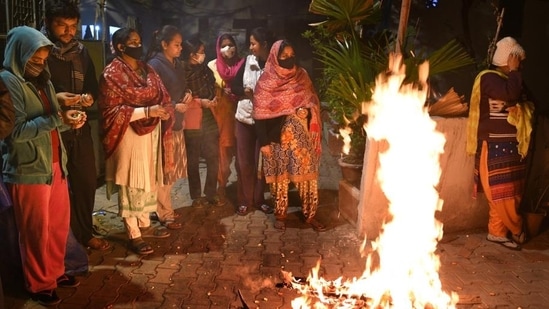
Traditionally, people gather around a bonfire, offer seasonal foods such as sesame seeds, peanuts, popcorn and jaggery, sing folk songs and share festive meals. These customs express gratitude, togetherness and hopes for prosperity in the coming season.
Lohri is also an important family occasion. In many Punjabi households, the first Lohri after a wedding or the birth of a baby is celebrated with special enthusiasm. Relatives and friends gather to bless the couple or newborn and share the happiness of the occasion.
Significance of Lohri Festival
Lohri has agricultural, cultural, social and religious significance. Although customs differ between families and regions, the festival is widely recognised as a celebration of warmth, community spirit and seasonal renewal.
1. Celebrating the Winter Harvest
Lohri is traditionally associated with agriculture and the winter harvest. Farmers express gratitude for their crops and pray for good harvests and prosperity. Wheat is particularly important in Punjab, where it is a major winter crop.
2. Welcoming Longer Days
The festival is associated with the seasonal transition around the winter solstice and the gradual lengthening of daylight. The bonfire symbolises warmth, hope and the importance of light during the cold winter season.
3. Strengthening Family Relationships
Lohri provides an opportunity for families, neighbours and friends to come together. Sharing sweets, exchanging greetings, singing songs and enjoying a meal help preserve Punjabi traditions across generations.
4. Honouring Punjabi Folk Traditions
Traditional Lohri songs tell stories of bravery, generosity, love and community life. The folk hero Dulla Bhatti is especially associated with these songs and remains an important part of the festival’s cultural identity.
5. Celebrating New Beginnings
Many families attach special importance to the first Lohri of a newly married couple or a newborn child. Such celebrations often include traditional clothing, gifts, sweets, music and blessings from elders.
The Story of Lohri: Who Was Dulla Bhatti?
One of the best-known stories connected with Lohri is the folk legend of Dulla Bhatti, a figure remembered in Punjabi tradition for his courage and generosity.
According to popular folklore, Dulla Bhatti lived in Punjab during the reign of the Mughal emperor Akbar. He is remembered as a rebel who stood against injustice and helped protect vulnerable people.
The best-known part of the legend concerns two girls, Sundri and Mundri. In traditional retellings, Dulla Bhatti rescued the girls from exploitation and helped arrange their marriages. He is celebrated in folk songs as someone who defended their dignity and ensured that they were treated with respect.
The story has been passed down through generations, and Dulla Bhatti’s name is still heard in traditional Lohri songs. One familiar song associated with the festival includes the names Sundri and Mundri.
It is important to understand that this account belongs to Punjabi folk tradition. Details may vary between oral versions, and the story should not be treated as a fully verified historical record in every detail.
How Is Lohri Celebrated?
Lohri celebrations are filled with music, traditional clothing, seasonal food and a strong sense of community. The exact customs vary, but the bonfire remains one of the festival’s most recognisable features.
1. Lighting the Lohri Bonfire
Families and neighbours gather around a bonfire in an open, safe location. The fire represents warmth, hope and togetherness during winter.
Sesame seeds, jaggery, peanuts, popcorn and other traditional offerings may be placed into the fire as part of local customs. Participants offer prayers or express gratitude according to their family traditions.
2. Singing Traditional Lohri Songs
Folk songs are an essential part of the celebrations. Some songs honour Dulla Bhatti, while others express happiness about the harvest, family life and the arrival of a new season.
Children may visit neighbouring homes singing Lohri songs and receiving sweets, peanuts or other treats. These traditions help introduce younger generations to Punjabi culture.
3. Performing Bhangra and Gidda
Bhangra, the energetic Punjabi folk dance, is a popular feature of Lohri celebrations. Women may perform gidda, accompanied by traditional songs, clapping and rhythmic movements.
Many schools, cultural associations and community organisations arrange music programmes, dance performances and festive competitions.
4. Wearing Traditional Punjabi Clothes
People often wear colourful traditional outfits for Lohri. Men may choose kurta-pajamas, waistcoats or turbans, while women may wear salwar suits, Patiala suits or other festive Punjabi clothing.
Bright colours, traditional jewellery and embroidered fabrics add to the festive atmosphere.
5. Sharing Sweets and Gifts
Families exchange sweets, dry fruits, peanuts, sesame treats and gifts. Newly married couples and families celebrating a baby’s first Lohri may receive special presents and blessings from relatives.
6. Organising Community Celebrations
In towns and cities, Lohri may be celebrated through neighbourhood gatherings, cultural programmes, music events and community dinners. Punjabi associations abroad also organise celebrations to keep the tradition alive among younger generations.
Traditional Lohri Foods You Should Know About
No Punjabi festival feels complete without delicious food. Lohri meals often feature warming seasonal ingredients, traditional sweets and dishes that reflect Punjab’s farming heritage.
| Food | Description |
|---|---|
| Sarson da Saag | A traditional Punjabi preparation made mainly from mustard greens and other leafy greens. |
| Makki di Roti | Flatbread made from maize flour, commonly served with sarson da saag. |
| Gajak | A crunchy winter sweet usually made with sesame seeds and jaggery or sugar. |
| Rewri | Small traditional sweets made with sesame seeds and sugar or jaggery. |
| Til ke Laddoo | Sweet balls prepared with sesame seeds and jaggery. |
| Peanuts | A popular winter snack shared during Lohri gatherings. |
| Popcorn | A traditional snack often distributed or offered during bonfire celebrations. |
| Gur (Jaggery) | A traditional sweetener enjoyed on its own or used in festive dishes. |
| Pinni | A rich Punjabi sweet traditionally prepared with ingredients such as flour, ghee, sugar or jaggery and nuts. |
| Gond ke Laddoo | A traditional sweet made using edible gum, ghee, flour and other ingredients. |
Some families also prepare kheer, panjiri and other regional delicacies. Lassi may accompany a Punjabi meal, although many people prefer hot drinks during cold winter evenings.
Lohri Celebration for a Newborn Baby
The first Lohri after the birth of a child is a particularly joyful occasion in many Punjabi families. Relatives and friends gather to bless the baby and celebrate the family’s new beginning.
The celebration may include traditional clothing, gifts, sweets, music and photographs with family members. Some families arrange a larger gathering, while others prefer a small celebration at home.
Customs differ by family and region, so there is no single compulsory ceremony followed by everyone.
First Lohri After Marriage
The first Lohri after a wedding is also celebrated with special affection in many Punjabi households. The newly married couple may receive gifts, jewellery, clothing, sweets and blessings from relatives.
Family members may organise a festive dinner, traditional music and a bonfire gathering. These celebrations help welcome the couple into family traditions and provide an opportunity for relatives to spend time together.
How Indians in Kuwait Can Celebrate Lohri
Punjabi families and Indian communities living in Kuwait can celebrate Lohri by organising family dinners, wearing traditional clothing, preparing Punjabi dishes and attending suitable cultural programmes.
- Prepare traditional foods such as sarson da saag, makki di roti, gajak and til laddoos.
- Arrange a Punjabi music evening with bhangra and gidda performances.
- Share Lohri greetings and festive photographs with friends and relatives.
- Check announcements from local Indian associations or community groups for organised events.
- Celebrate with family and friends while respecting local rules and venue requirements.
Fire safety reminder: Do not light an open bonfire in an apartment, balcony, indoor hall or other unauthorised location. In Kuwait, use only an approved venue and follow applicable fire-safety rules. A music evening or family dinner is a good alternative when an open fire is not permitted.
Difference Between Lohri and Makar Sankranti
Lohri and Makar Sankranti occur around the same seasonal period, but they have distinct customs and regional importance.
| Feature | Lohri | Makar Sankranti |
|---|---|---|
| 2027 date | January 14, according to the New Delhi Drik Panchang calendar | January 15, according to the same calendar |
| Main association | Punjabi winter and harvest traditions | The Sun’s transition into Capricorn in the sidereal zodiac |
| Popular customs | Bonfire, folk songs, bhangra, gidda and sharing seasonal foods | Regional prayers, charity, traditional foods, and other local observances |
| Regional reach | Especially associated with Punjab and neighbouring regions | Celebrated in many parts of India under different regional names and customs |
In southern India, Pongal is an important harvest festival around the same period. In Assam, Magh Bihu celebrates the harvest season with its own food, community gatherings and traditions.
For more information, read our related guide: Makar Sankranti Festival: Traditions and Celebrations.
Lohri 2027 Wishes to Share with Family and Friends
- Happy Lohri 2027! May your home be filled with happiness, warmth, good health and prosperity.
- Wishing you and your family a joyful Lohri filled with delicious food, beautiful traditions and wonderful memories.
- May the Lohri bonfire bring hope, positivity and success into your life. Happy Lohri!
- May this harvest festival bring peace, abundance and happiness to every home. Lohri di lakh lakh vadhaiyan!
- Wishing all Punjabi families and friends around the world a colourful and memorable Lohri celebration.
Visit for free-seotools https://free-seotool.com
Frequently Asked Questions About Lohri 2027
1. When is Lohri in 2027?
Lohri will be celebrated on Thursday, January 14, 2027, according to the Drik Panchang calendar for New Delhi, India. Local customs and calendar traditions may differ.
2. What is the best time to celebrate Lohri?
Many families light the traditional bonfire after sunset. The exact time depends on the local sunset, family customs and the schedule of any organised event.
3. Why is Lohri celebrated?
Lohri celebrates Punjabi cultural traditions, the winter harvest, community life and seasonal change. It is also an occasion for family gatherings and expressing gratitude.
4. Who was Dulla Bhatti?
Dulla Bhatti is a celebrated figure in Punjabi folklore. Popular Lohri songs remember him for his courage and the traditional story of his help to Sundri and Mundri.
5. What foods are traditionally eaten during Lohri?
Popular foods include sarson da saag, makki di roti, gajak, rewri, sesame laddoos, peanuts, popcorn and jaggery. Individual families may prepare additional regional dishes.
6. Is Lohri celebrated only by Sikhs?
No. Lohri is celebrated by Punjabi families from different religious backgrounds, including Sikhs and Hindus. Customs vary according to family, community and region.
7. Why do people light a bonfire during Lohri?
The bonfire is a central symbol of Lohri celebrations. It represents warmth, togetherness and seasonal renewal, and traditional offerings may be made according to local customs.
8. Is Lohri celebrated outside India?
Yes. Punjabi communities in Kuwait, the UAE, Canada, the United Kingdom, the United States and many other countries celebrate Lohri through family gatherings, cultural programmes and traditional meals.
9. Is Lohri the same as Makar Sankranti?
No. They are separate festivals with different traditions, although they occur around the same time. Lohri is particularly associated with Punjabi culture, while Makar Sankranti is observed across India in various regional forms.
10. Why do some calendars show January 13 for Lohri?
January 13 is the traditional date commonly associated with Lohri. However, the date may shift according to the calendar used and the timing of Makar Sankranti. The New Delhi Drik Panchang calendar lists Lohri on January 14 in 2027.
Conclusion
Lohri is much more than a winter festival. It is a celebration of Punjabi heritage, agricultural traditions, family bonds, generosity and the joy of coming together. From the warmth of the bonfire to the flavours of traditional Punjabi food, every part of the celebration reflects the importance of community and cultural identity.
As Lohri 2027 approaches, families in India and across the world can celebrate by sharing traditional food, enjoying folk music, remembering the story of Dulla Bhatti and spending meaningful time with loved ones. Lohri 2027, Lohri 2027 date, Lohri festival significance, Lohri story of Dulla Bhatti, Lohri celebration and traditional food
Happy Lohri 2027! Lohri di lakh lakh vadhaiyan!