

How to make Putt and Fish Curry, iiQ8 Cooking
How to make Putt and Fish Curry, iiQ8 Cooking
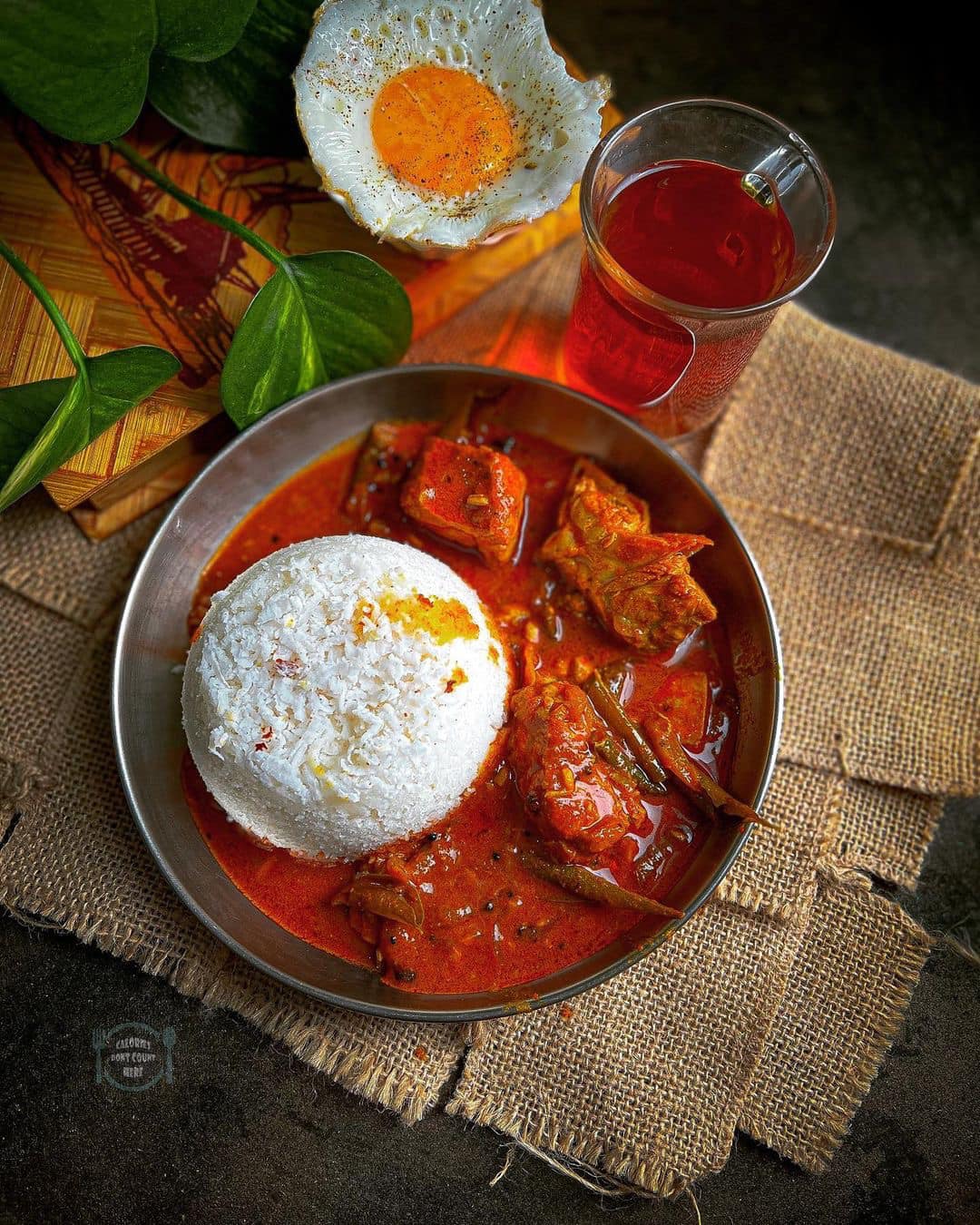
Putt and Fish Curry Recipe: Traditional South Indian Fish Curry
Putt and Fish Curry is a comforting South Indian-style meal that combines soft, steamed puttu with a flavorful fish curry. Puttu is a simple steamed dish traditionally prepared with rice flour and coconut, while the fish curry is made with fish, onion, tomato, spices and a tangy base. The soft, crumbly puttu absorbs the spicy curry beautifully, making this a satisfying breakfast, lunch or dinner combination.
Putt and Fish Curry at a Glance
| Cuisine | South Indian / Kerala-Style |
|---|---|
| Country | India |
| Meal | Breakfast / Lunch / Dinner |
| Course | Main |
| Food Type | Non-Vegetarian |
| Difficulty | Medium |
| Preparation | 20 minutes |
| Cooking | 30-40 minutes |
| Total time | About 1 hour |
| Servings | 4 |
| Suggested serving | 1-2 pieces puttu + fish curry |
Putt and Fish Curry Ingredients
For Puttu
- 2 cups puttu flour or roasted rice flour; 1/2 tsp salt; about 3/4 cup water, as needed; 1 cup freshly grated coconut.
For Fish Curry
- 500 g fish, cleaned and cut into pieces; 1 medium onion, sliced; 1 medium tomato, chopped; 2 green chillies, slit; 1 tbsp ginger-garlic paste; 1 sprig curry leaves; 2 tbsp cooking oil; 1 tsp mustard seeds; 1/2 tsp fenugreek seeds; 1/2 tsp turmeric powder; 1-2 tbsp red chilli powder; 1 tbsp coriander powder; 1/2 tsp cumin powder; 1 tbsp tamarind pulp or kokum, according to taste; salt to taste; 2 cups water.
Chicken Curry Recipe: Easy North Indian Chicken Curry | iiQ8 Recipes
How to Make Putt and Fish Curry Recipe
Prepare the Puttu
- Place the puttu flour in a wide bowl and add salt.
- Sprinkle water little by little while mixing the flour with your fingertips.
- Continue adding small amounts of water until the flour becomes moist and crumbly. It should hold together when pressed but should not become a dough.
- Add a little grated coconut and mix gently.
- Fill the puttu maker in layers, alternating between prepared rice flour and grated coconut.
- Steam the puttu for about 5-7 minutes, or until the steam passes through the flour and the puttu is fully cooked.
- Carefully remove the steamed puttu and keep it warm.
Prepare the Fish Curry
- Clean the fish pieces thoroughly and drain the excess water. Lightly season with salt and turmeric and keep aside for 10-15 minutes.
- Heat oil in a clay pot or heavy-bottomed pan.
- Add mustard seeds and allow them to splutter. Add fenugreek seeds and curry leaves.
- Add sliced onion and green chillies. Sauté until the onion becomes soft and lightly golden.
- Add ginger-garlic paste and cook until the raw smell disappears.
- Add chopped tomato and cook until soft and the oil begins to separate.
- Lower the heat and add turmeric powder, red chilli powder, coriander powder and cumin powder. Stir carefully so the spices do not burn.
- Add tamarind pulp or kokum and enough water to make the curry.
- Bring the gravy to a gentle boil and simmer for a few minutes so the spices develop their flavour.
- Carefully add the fish pieces to the curry and cook over medium-low heat until the fish is completely cooked and tender.
- Avoid stirring the curry vigorously because delicate fish pieces can break. Instead, gently swirl the pan when necessary.
- Simmer for another 3-5 minutes until the gravy reaches the desired consistency.
- Switch off the heat and allow the curry to rest for a few minutes before serving.
- Serve hot fish curry with freshly steamed puttu.
Cooking Tips
The key to good puttu is getting the flour moisture right. Add water gradually rather than all at once. The flour should remain crumbly and moist, not turn into a smooth dough.
For the fish curry, use firm fish that holds its shape during cooking. Cooking the curry in a traditional clay pot can add a distinctive rustic character, but a heavy-bottomed pan works well too.
Avoid stirring the curry aggressively after adding the fish. Gently shake or swirl the pan instead. Allowing the curry to rest for a few minutes before serving also helps the flavours develop.
Variations
For a richer fish curry, coconut milk can be added toward the end of cooking. You can also prepare a more traditional Kerala-style version using kokum or tamarind for tanginess and coconut oil for a distinctive aroma.
Puttu can be made with different flours, including wheat, ragi or other millet-based flour. However, rice puttu remains one of the most common versions.
Substitutions
If puttu flour is unavailable, finely ground roasted rice flour can be used. Different varieties of firm-fleshed fish can be used depending on availability.
Tamarind can be replaced with kokum for a different type of sourness. Coconut oil can also be used instead of regular cooking oil for a more traditional South Indian flavour.
What to Serve With Putt and Fish Curry
Puttu and fish curry are naturally served together, with the soft steamed puttu soaking up the spicy gravy.
A side of sliced onion, green chilli, coconut chutney, banana or a simple vegetable side dish can also complement the meal.
Storage & Reheating
Storage: Store leftover fish curry in an airtight container in the refrigerator and consume within 1-2 days for best quality. Store leftover puttu separately.
Reheating: Reheat the fish curry gently on the stovetop until thoroughly hot. Add a little water if the gravy has become too thick. Puttu can be steamed briefly to soften it before serving.
Putt and Fish Curry Nutrition Facts
Nutrition varies with the type of fish, amount of coconut, cooking oil, portion size and curry ingredients. Approximate values per serving:
| Calories | 430 kcal |
|---|---|
| Protein | 27 g |
| Carbohydrates | 48 g |
| Fat | 15 g |
| Fiber | 4 g |
Values are estimates for planning purposes and should be treated as approximate.
Potential Nutritional Benefits
Fish provides high-quality protein and may provide nutrients such as vitamin B12, selenium and omega-3 fatty acids, depending on the fish variety used. Rice-based puttu provides carbohydrates for energy, while coconut contributes fat and some dietary fibre.
The nutritional profile can vary considerably depending on the type of fish, quantity of coconut and cooking oil used.
Age & Serving Guidance
Puttu can be served to young children when prepared soft and appropriately for their developmental stage. For children, remove all fish bones carefully and serve finely flaked fish with a mild, less spicy curry.
For young children, take particular care with hot food, spice level, piece size, known allergies and individual chewing/swallowing ability.
Putt and Fish Curry Recipe | iiQ8
Chicken Curry Recipe: Easy North Indian Chicken Curry | iiQ8
Allergens & Food Safety
Allergens: Fish and coconut are ingredients of this recipe and may cause allergies in some people.
Fish should be cleaned properly and cooked thoroughly. Carefully check for bones before serving, especially to children. Keep raw fish separate from cooked foods, wash hands and utensils after handling raw fish, and refrigerate leftovers promptly.
Putt and Fish Curry FAQs
What is Putt and Fish Curry?
Putt and Fish Curry is a traditional South Indian meal combining steamed puttu, usually made with rice flour and coconut, with a spicy and tangy fish curry.
What is puttu made from?
Traditional puttu is commonly made from roasted rice flour, water and grated coconut. The ingredients are layered in a puttu maker and steamed until cooked.
Which fish is best for fish curry?
Firm-fleshed fish that holds its shape during cooking works well. Depending on availability, varieties such as kingfish, pomfret, sardines or other locally available fish can be used.
Can I make puttu without a puttu maker?
Yes. Although a puttu maker produces the traditional cylindrical shape, you can use a suitable steaming vessel or other steaming method. The texture may be slightly different.
Why is my puttu dry?
Puttu can become dry when too little water is added to the flour or when it is steamed for too long. Sprinkle water gradually and aim for a moist, crumbly flour mixture.
Why is my puttu too sticky?
Too much water can turn the flour into a dough-like mixture and produce sticky puttu. Add water gradually and stop when the flour is moist but still crumbly.
Can I use coconut milk in fish curry?
Yes. Coconut milk can be added toward the end of cooking for a richer and milder curry. Avoid boiling it aggressively for a long time.
Can I use tamarind instead of kokum?
Yes. Tamarind is a convenient alternative when kokum is unavailable. Adjust the quantity according to how sour you prefer the curry.
Can I use coconut oil for the fish curry?
Yes. Coconut oil gives the curry a distinctive South Indian aroma and works particularly well with fish and coconut-based dishes.
Why does my fish break while cooking?
Fish can break if it is stirred vigorously or cooked for too long. Add the fish carefully and gently swirl the pan instead of using a spoon to stir repeatedly.
Can I prepare fish curry ahead of time?
Yes. Fish curry can be prepared several hours ahead, and the flavours may become more developed as it rests. Refrigerate it promptly if it will not be served soon.
How long can fish curry be stored?
For best quality and food safety, refrigerate leftover fish curry promptly and consume it within 1-2 days.
Is puttu gluten-free?
Traditional rice puttu is naturally gluten-free. If using a different flour or packaged puttu mix, check the ingredient label for gluten-containing ingredients or cross-contact information.
Can I make ragi puttu instead of rice puttu?
Yes. Ragi puttu is a popular variation and provides a different flavour and texture. The amount of water may need to be adjusted depending on the flour.
Helpful Resources
If you’re getting around Kuwait, check live routes, fares and timings on Kuwait Bus Route. And if you run a website or blog of your own, try these free SEO tools to check and improve it.
Puttu Recipes, Fish Curry, Kerala Recipes, South Indian Recipes, Seafood Recipes, Traditional Indian Food #Puttu #FishCurry #PuttuAndFishCurry #KeralaRecipes #SouthIndianRecipes #SeafoodRecipes #IndianFood