

How to make Medu Vada Recipe | iiQ8
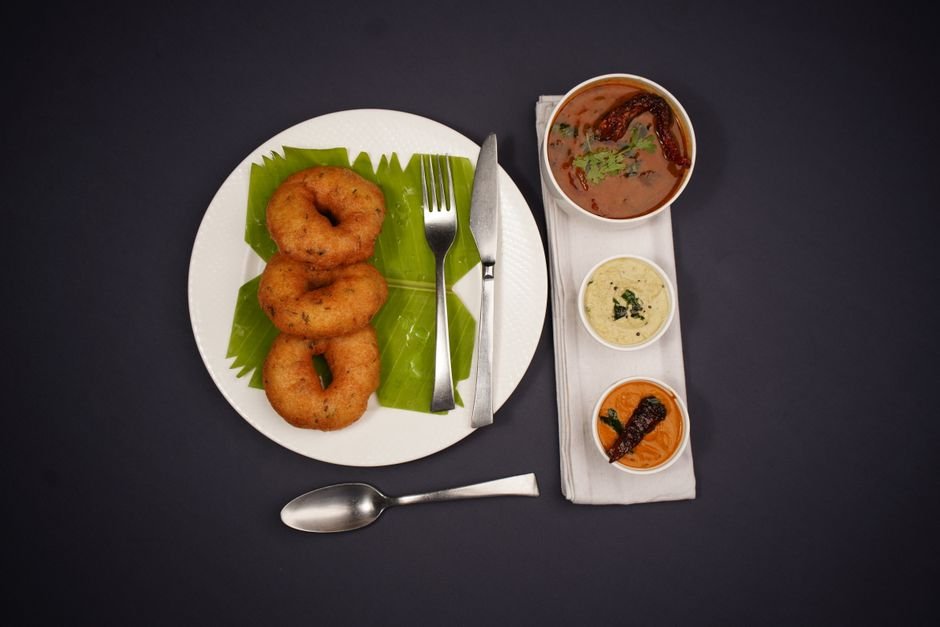
Medu Vada Recipe is a crispy, golden South Indian snack made from a fluffy urad dal batter, deep-fried into its signature doughnut shape. Traditionally served with sambar and coconut chutney, it’s a breakfast and tea-time favourite across South India.
Medu Vada at a Glance
| Cuisine | South Indian |
|---|---|
| Country | India |
| Meal | Breakfast |
| Course | Main / Snack |
| Food Type | Vegan |
| Difficulty | Medium |
| Preparation | 15 minutes |
| Cooking | 20 minutes |
| Total time | About 4-4.5 hours |
| Servings | 4 |
| Suggested serving | 3 vadas |
Medu Vada Ingredients
- 1 cup urad dal, soaked 3-4 hours; 1 green chilli, chopped; 1 inch ginger, grated; a few curry leaves, chopped; 1/2 tsp whole black pepper; 1/4 cup onion, finely chopped (optional); a pinch of hing; salt to taste; oil for deep frying.
How to Make Medu Vada Recipe
- Drain the soaked urad dal and grind with minimal water into a thick, fluffy batter.
- Whisk the batter vigorously by hand for a couple of minutes to incorporate air, which keeps the vadas light.
- Fold in green chilli, ginger, curry leaves, pepper, onion if using, hing and salt.
- Heat oil to a steady medium-high heat for deep frying.
- Wet your palm, take a portion of batter, shape into a small ball, flatten slightly, and poke a hole in the centre.
- Gently slide the shaped vada into the hot oil.
- Fry until golden brown and crisp on both sides, turning occasionally.
- Drain on paper towels and serve hot.
Cooking Tips
Grind with as little water as possible for a thick batter — too much water prevents the vadas from holding their shape. Whisking the batter well incorporates air for a light, fluffy texture. Keep the oil at a steady medium-high heat; too hot browns them before they cook through, too cool makes them oily.
How to prepare the best Aloo Paratha | iiQ8 Recipes
Variations
Serve dunked in warm sambar as sambar vada, or soaked in spiced buttermilk as thayir vadai. Add finely chopped cashews to the batter for a festive touch.
Substitutions
No major substitutions; a food processor can replace a wet grinder for smaller batches.
What to Serve With Medu Vada
Coconut chutney and hot sambar.
Storage & Reheating
Storage: Best fresh; can be refrigerated for a day and re-crisped in a hot oven or air fryer.
Reheating: Reheat in a hot oven or air fryer for 4-5 minutes to restore crispness; avoid microwaving, which turns them soft.
Medu Vada Nutrition Facts
Nutrition varies with exact ingredients, oil quantity and serving size. Approximate values per serving:
| Calories | 220 kcal |
|---|---|
| Protein | 7 g |
| Carbohydrates | 24 g |
| Fat | 11 g |
| Fiber | 5 g |
Values are estimates for planning purposes and should be treated as approximate.
Potential Nutritional Benefits
A plant-protein-rich fried snack, best enjoyed occasionally given the frying; pairing with sambar and chutney rounds out the meal nutritionally.
Age & Serving Guidance
Given the fried crust and hole shape, better suited to older toddlers and children (18 months+) in small soft pieces rather than as an early first food.
For young children, take particular care with hot food, spice level, piece size, known allergies and individual chewing/swallowing ability.
Allergens & Food Safety
Allergens: Naturally gluten-free; check frying oil for cross-contamination if allergy-strict.
Fry until fully cooked through and golden on both sides; avoid reusing frying oil excessively.
Medu Vada FAQs
Why are my medu vadas absorbing too much oil?
This usually means the oil wasn’t hot enough when the vadas went in; fry at a steady medium-high heat.
Why is my vada batter not fluffy?
Insufficient whisking after grinding is the main cause; whisk vigorously for a couple of minutes to incorporate air.
Can I make the batter ahead of time?
It’s best used fresh, as it can turn watery on standing; grind close to frying time for the best texture.
Why does my vada fall apart while frying?
A batter that’s too thin or too little grinding time are common causes; grind with minimal water for a thick, cohesive batter.
Can I bake medu vada instead of frying?
Baking changes the texture significantly and doesn’t replicate the traditional crisp result, though it’s a lower-oil alternative some try.
What is sambar vada?
It’s medu vada soaked in warm sambar just before serving, a popular way to soften and flavour the vadas.
Can I use a mixer instead of a wet grinder?
Yes, though a wet grinder traditionally gives a fluffier batter; a mixer works well for smaller quantities with careful water control.
Why is my vada hard instead of soft inside?
This is often due to under-soaked dal or oil that’s too hot, cooking the outside before the inside is done; soak fully and fry at moderate heat.
Helpful Resources
If you’re getting around Kuwait, check live routes, fares and timings on Kuwait Bus Route. And if you run a website or blog of your own, try these free SEO tools to check and improve it.
Breakfast, Indian Breakfast Recipes, South Indian Recipes, Vegan Recipes — #Breakfast #IndianBreakfastRecipes #SouthIndianRecipes #VeganRecipes
Related Recipes
How to prepare the best Indian style Masala Dosa? iiQ8 Recipes